Services
Major Forklift Components
Mast
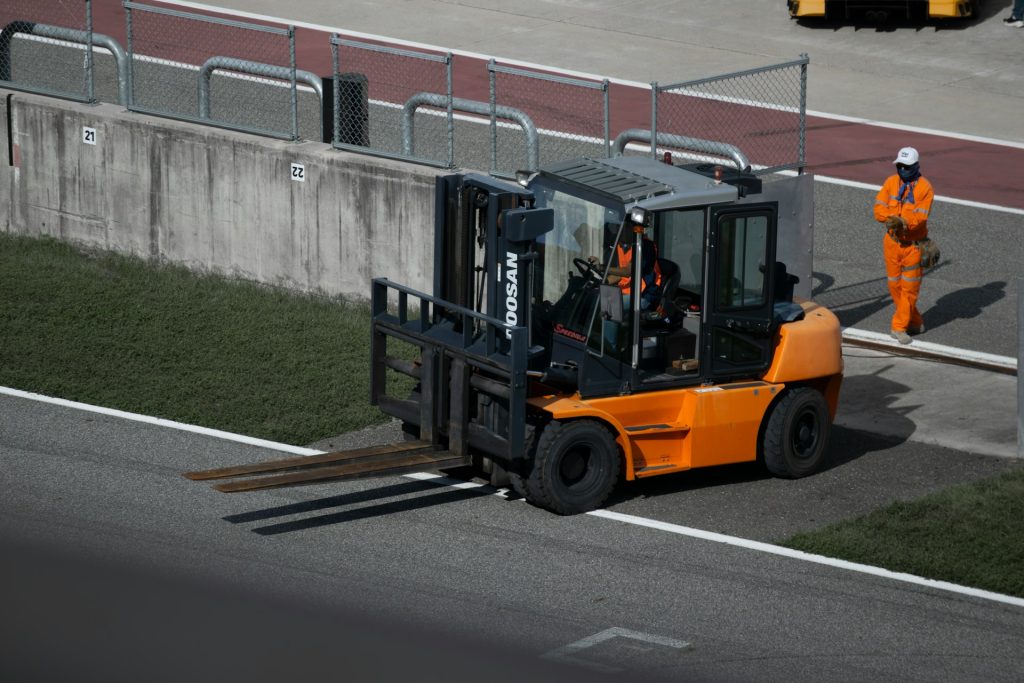
Function: The mast is the vertical structure that allows the forks to be raised and lowered. It is crucial for the lifting and lowering of loads.
Types: Single-stage, two-stage, three-stage, and four-stage masts, each offering different lift heights.
Carriage
Function: The carriage is the platform that moves along the mast, carrying the forks and the load.
Types: Standard and side-shifting carriages, allowing for better positioning of loads.
Forks
Function: Also known as tines, forks are the horizontal projections used to lift and carry loads.
Varieties: Standard forks, pallet forks, and specialty forks for different types of loads.
Overhead Guard
Function: The overhead guard protects the operator from falling objects.
Counterweight
Function: A heavy weight located at the rear of the forklift, counterbalancing the load being lifted.
Cab
Function: The cab is the area where the operator controls the forklift. It includes the seat, steering wheel, levers, and pedals.
Features: Some cabs are enclosed to protect the operator from weather conditions.
Engine and Powertrain Components
Engine/Motor
Types: Internal combustion engines (diesel, gasoline, propane) or electric motors (battery-powered).
Function: Provides the power needed to operate the forklift.
Transmission
Function: Transmits power from the engine to the wheels.
Types: Automatic and manual transmissions.
Hydraulic System
Function: Controls the lifting and tilting of the forks.
Components: Hydraulic pump, cylinders, and hoses.
Wheels and TiresDrive Wheels
Function: The primary wheels that provide movement and traction.
Types: Pneumatic (air-filled) and solid rubber tires.
Steer Wheels
Function: Provide directional control and maneuverability.
Location: Typically located at the rear of the forklift.
Control Components
Steering Wheel
Function: Allows the operator to control the direction of the forklift.
Levers and Pedals
Function: Control the movement of the mast (lifting and tilting), as well as forward and reverse movement.
Dashboard
Function: Displays important information like fuel level, battery charge, and warning indicators.
Safety Features
Seat Belt
Function: Keeps the operator secure in the seat.
Warning Lights and Alarms
Function: Indicate issues like low oil pressure, overheating, or the need for maintenance.
Mirrors
Function: Enhance visibility and help prevent accidents.
Maintenance and Miscellaneous Parts
Filters
Types: Air filters, oil filters, and fuel filters.
Function: Ensure clean operation of the engine and hydraulic systems.
Batteries and Chargers (for Electric Forklifts)
Function: Provide power for electric forklifts.
Components: Battery cells and charging units.
Lights
Function: Headlights, brake lights, and indicator lights improve visibility and safety.
MIT Forklift Repairs
MIT Forklift Repairs is your best choice for heavy machinery repairs, including forklifts. With a team of experienced technicians, we offer reliable, high-quality service to keep your equipment running at peak performance. Our commitment to excellence, quick turnaround times, and use of premium parts ensure minimal downtime and maximum productivity. Trust MIT Forklift Repairs for all your heavy machinery maintenance needs and experience the best in the industry